

The European Union (EU) is a unique political and economic union between 27 European countries that together cover much of the continent. Born from the ashes of World War II, the EU has become a symbol of cooperation and unity, aiming to ensure peace, stability, and prosperity in Europe. This blog post delves into the history, structure, and functions of the EU, offering a detailed examination of its institutions, bodies, and agencies.
The Historical Foundation of the European Union
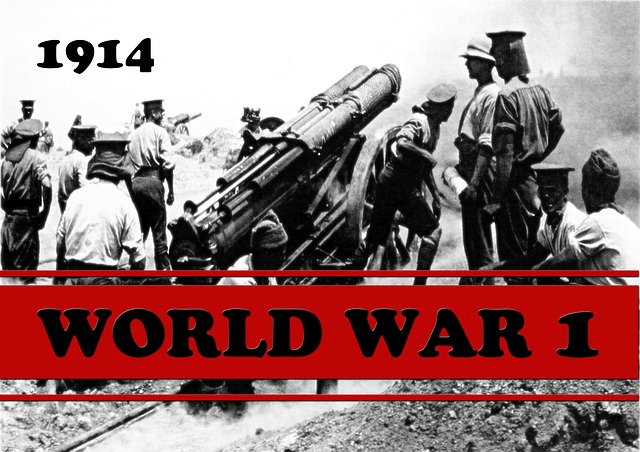
The journey towards European integration began in the aftermath of World War II. The devastation caused by the war necessitated a new approach to international relations and cooperation. The idea was to create a union that would prevent future conflicts through economic integration and political collaboration.
One of the critical milestones in this journey was the signing of the Treaty on European Union (TEU) on February 7, 1992, in Maastricht, Netherlands. This treaty marked the formal establishment of the European Union and set the foundation for the union’s current structure and functions.
The Structure of the European Union
The EU’s complex structure includes various institutions, bodies, agencies, and joint undertakings, each serving specific roles to ensure the smooth functioning of the union. Here, we break down these components for a clearer understanding.
EU Institutions
- Council of the European Union: Often referred to simply as the Council, this institution represents the governments of the member states. It is responsible for negotiating and adopting legislative acts in cooperation with the European Parliament and coordinating policies.
- European Council: Comprising the heads of state or government of the member states, the European Council sets the EU’s overall political direction and priorities. It does not legislate but provides the necessary impetus for the EU’s development.
- Court of Justice of the European Union (CJEU): Ensures EU law is interpreted and applied uniformly across all member states. It settles legal disputes between national governments and EU institutions.
- European Court of Auditors: Responsible for auditing the EU’s finances, ensuring that the budget is implemented correctly and that EU funds are spent properly.
- European Central Bank (ECB): Manages the euro and formulates monetary policy for the Eurozone to maintain price stability.
- European Commission: The executive branch of the EU, responsible for proposing legislation, implementing decisions, and managing day-to-day operations.
- European Parliament: Represents EU citizens and is directly elected by them. It shares legislative power with the Council and plays a key role in approving the EU budget.
EU Bodies
- Committee of the Regions (CoR): Provides regional and local perspectives on EU legislation and policies, ensuring that the interests of all parts of the EU are considered.
- European Data Protection Supervisor (EDPS): Ensures that EU institutions and bodies respect individuals’ privacy and data protection rights.
- European External Action Service (EEAS): The EU’s diplomatic service, responsible for the EU’s foreign policy and external relations.
- European Economic and Social Committee (EESC): Represents employers, workers, and other interest groups, providing a bridge between EU institutions and civil society.
- European Investment Bank (EIB): Provides financing and expertise for sustainable investment projects that contribute to EU policy objectives.
- European Ombudsman: Investigates complaints about maladministration in EU institutions and bodies, promoting transparency and accountability.
Interinstitutional Services
- European Personnel Selection Office (EPSO): Responsible for selecting staff to work for EU institutions and agencies.
- Computer Emergency Response Team for the EU Institutions, Bodies, and Agencies (CERT-EU): Provides cybersecurity services to protect EU institutions from cyber threats.
- Publications Office of the European Union: Publishes and disseminates information on EU activities and legislation.
- European School of Administration (EUSA): Provides training and development for EU staff to enhance their skills and competencies.
Joint Undertakings
Joint undertakings are collaborative projects between the EU and various stakeholders to foster innovation and development in specific areas. Some notable joint undertakings include:
- Circular Bio-based Europe: Promotes the transition to a sustainable bio-based economy.
- Clean Aviation: Develops new aviation technologies to reduce environmental impact.
- Clean Hydrogen: Focuses on advancing hydrogen technologies for a clean energy future.
- Europe’s Rail: Aims to create a more efficient and sustainable rail system in Europe.
- European High Performance Computing: Enhances Europe’s computing capabilities for research and innovation.
- Global Health EDCTP3: Supports health research and innovation to combat infectious diseases.
- Innovative Health Initiative: Advances health care solutions through public-private partnerships.
- Key Digital Technologies: Develops critical digital technologies to support the EU’s digital transformation.
- SESAR 3: Modernizes air traffic management to improve safety and efficiency.
- Smart Networks and Services: Advances the development of smart networks and services to support digital innovation.
The Role of Agencies in the European Union
Agencies play a crucial role in the EU’s functioning, specializing in various technical and scientific areas to support policy implementation. They ensure that EU policies are carried out effectively and provide expertise that is vital for informed decision-making.
A Story of Cooperation
A delightful anecdote illustrates the essence of European cooperation. A little boy, asked where his father was, replied, “He is on a business trip! He went to fix France!” This charming statement encapsulates the spirit of the EU – a collective effort to “fix” and improve member states through cooperation and shared goals.
Another story highlights different perspectives on work and purpose. A man sees three bricklayers and asks each what they are doing. The first says he is laying bricks to feed his family, the second says he is building a wall, and the third proudly says he is building a cathedral. This story reflects the varying levels of vision and dedication within the EU, where each member state and institution contributes to the grand project of European unity.
Conclusion
The European Union stands as a testament to the power of cooperation and unity. From its humble beginnings to its current status as a global economic and political powerhouse, the EU has shown that shared goals and collaboration can lead to significant achievements. Understanding its structure and functions is crucial for appreciating the complexity and success of this unique union.